
Written on Oct 29, 2025.
Choosing the right phone system for your business can be a big decision. Communication is one of the most important parts of running a company, and having a reliable system helps your team stay connected with customers and coworkers. For many years, businesses relied on traditional PBX phone systems to handle calls, but in recent years, VoIP technology has become the new standard. Understanding the difference between PBX and VoIP can help you make the best choice for your business and your budget.
A PBX system, which stands for Private Branch Exchange, is an on site telephone network that allows internal communication and connects to outside lines through a physical box installed in your office. In the past, PBX systems were considered the best option for businesses because they offered control and reliability. However, they require expensive hardware, professional installation, and ongoing maintenance. If something goes wrong with the equipment, you might need a technician to come out and fix it, which can lead to downtime and extra costs. PBX systems are also limited in how easily they can grow with your business. Adding new phone lines or locations often means purchasing new hardware or upgrading your system.
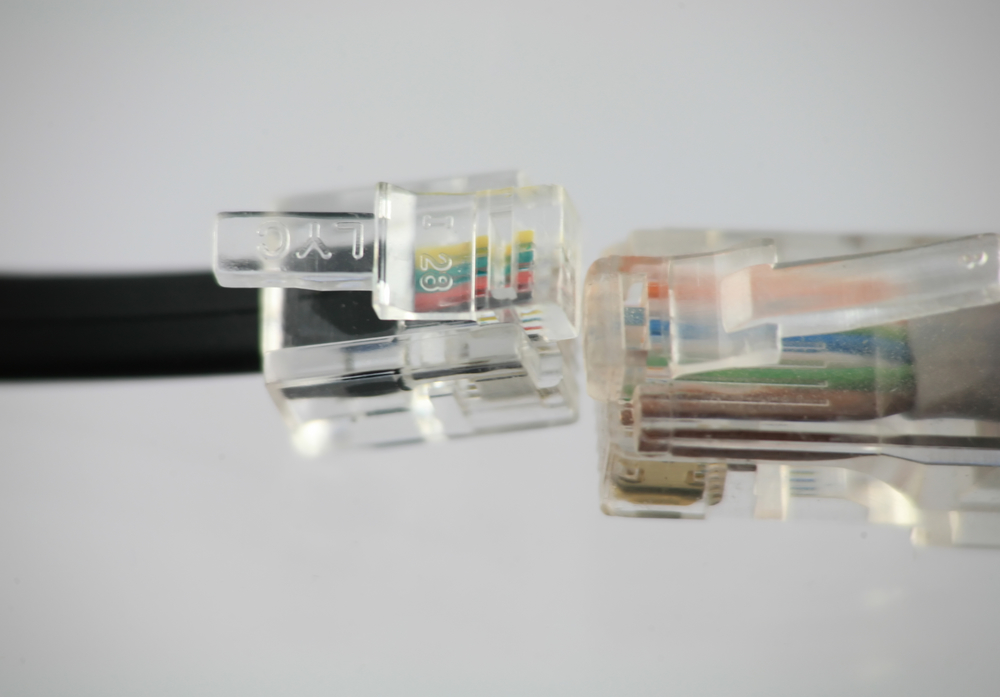
VoIP, which stands for Voice over Internet Protocol, works very differently. Instead of using traditional phone lines, VoIP uses your internet connection to make and receive calls. This means that you don't need bulky hardware in your office. The only things you need are internet access and compatible phones or devices. Because VoIP runs over the internet, it offers much more flexibility and is often more affordable. You can add or remove users instantly, and your team can make calls from anywhere — whether they are at the office, at home, or traveling.
When comparing PBX vs. VoIP, it's easy to see how much technology has changed communication. PBX systems were once seen as a major investment, but VoIP has made business phone systems easier, cheaper, and more advanced. VoIP also includes features that traditional PBX systems never had. With a VoIP system, you can have voicemail to email, video calls, call forwarding, call analytics, and mobile apps. These modern features make it easier for businesses to stay productive and responsive in today's fast moving world.
One of the biggest reasons companies switch to VoIP is cost savings. Traditional PBX systems often come with large upfront costs, while VoIP typically operates on a subscription model with predictable monthly pricing. Since VoIP uses the internet instead of traditional phone lines, long distance and international calls are also much cheaper. Businesses that have remote employees or multiple office locations benefit even more because everyone can be connected under one system without paying extra for separate phone networks.
Another advantage of VoIP is scalability. Whether your business has five employees or five hundred, VoIP makes it easy to adjust as your needs change. You don't have to worry about installing new phone lines or equipment. If you hire new staff, you can set them up with a phone extension in minutes. The same applies if your company downsizes or reorganizes — VoIP lets you scale up or down without major changes or costs.
Reliability is another major factor to think about. In the early days of VoIP, people were concerned about call quality because internet connections were not always stable. But today, with high speed internet and advanced technology, VoIP call quality is just as good — and sometimes even better — than traditional phone systems. Many VoIP providers also include backup and redundancy features to make sure your system stays online even during internet outages.
Security is an important consideration too. PBX systems can be physically secure because they're located on site, but they can still be vulnerable to tampering or hardware damage. VoIP systems rely on digital encryption and regular security updates to protect your data and conversations. Most modern VoIP providers also follow strict security standards to make sure your business communications stay safe.
Another key difference between PBX and VoIP is mobility. PBX systems tie you to your office desk because calls can only be made or received through the office phones connected to the system. VoIP removes that limitation. Your employees can use softphones, smartphones, or laptops to make and receive calls wherever they are. This flexibility is a huge benefit for businesses with remote teams or employees who travel frequently.
When it comes to choosing between PBX and VoIP, the best choice often depends on your business goals, size, and budget. If your company already has a PBX system and it works fine for now, you might not need to switch immediately. But if you're looking for a modern, flexible, and cost effective solution, VoIP is the way to go. Many businesses are choosing VoIP systems because they make communication simpler, more affordable, and more efficient.
At Bulk Solutions, we help businesses find the right communication setup that fits their needs and budget. Our goal is to make your transition to modern phone technology smooth and stress free. Whether you're exploring your first VoIP system or thinking about upgrading from PBX, we can guide you through the process and help you get the best results for your business. In today's digital world, staying connected is everything, and choosing the right phone system can make a huge difference in how effectively your business operates.
We support all telecommunication services and needs. Remember to keep Bulk Solutions in mind for your telecommunication needs since we value Quality and Reliability above everything else.


