
Written on Apr 23, 2026.
When people talk about business phone systems, two common terms that come up are PBX and PABX. At first, they might sound confusing or even the same, but they actually have some differences that matter, especially for businesses trying to decide what kind of communication system they should use. Understanding these systems is important because phone communication is still a big part of how companies connect with customers, clients, and even their own employees.
A PBX, which stands for Private Branch Exchange, is basically a private telephone network used within a company. Instead of every employee having a separate phone line from the phone company, a PBX allows multiple users to share a smaller number of outside lines. This makes things more efficient and also saves money. For example, instead of paying for 50 separate phone lines, a company might only need 10 external lines that are shared across the whole office. Inside the company, employees can call each other using extensions, which makes internal communication quick and easy.
A PABX, or Private Automatic Branch Exchange, is very similar to a PBX, but the main difference is that it is automated. In older PBX systems, there might have been a human operator who helped connect calls. With a PABX, the system automatically routes calls without needing a person to manually plug cables or switch lines. This makes everything faster and more modern. Most businesses today use automated systems, so PABX is more common in current setups, even though people still often just say PBX as a general term.
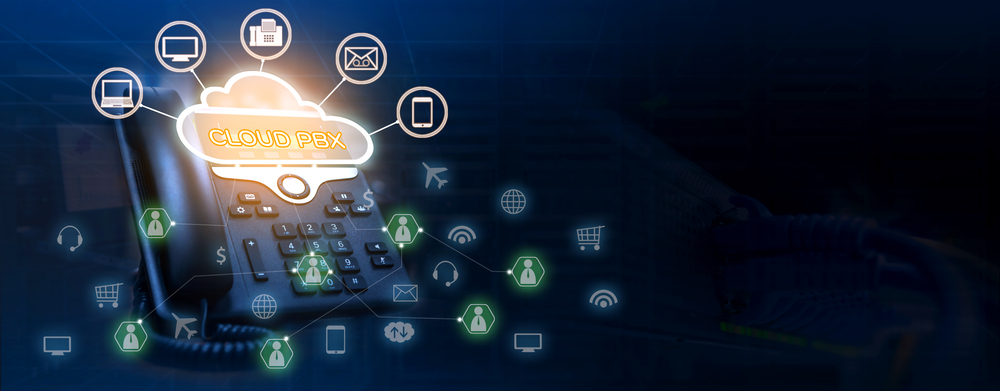
When comparing PABX vs. PBX, the biggest thing to understand is that technology has improved over time. Older PBX systems were more basic and sometimes required manual operation, while PABX systems brought in automation, which made call handling much easier. Today, most systems go even further by using digital or cloud based technology, which means calls can be managed over the internet instead of traditional phone lines. This is often called VoIP, or Voice over Internet Protocol, and it has become very popular because it is flexible and usually cheaper.
One reason businesses care so much about these systems is because communication can affect how successful they are. If a company misses calls or has poor call quality, it can lose customers. A good PBX or PABX system helps make sure calls are answered, transferred correctly, and handled in a professional way. Features like voicemail, call forwarding, auto attendants, and conference calling are all possible because of these systems. For example, when you call a company and hear a menu like “press 1 for sales, press 2 for support," that is usually powered by a PABX system.
As a business grows, it needs a phone system that can grow with it. Traditional PBX systems could be harder to expand because they required physical hardware and wiring. PABX systems improved this a bit, but modern systems, especially cloud based ones, make it even easier. A company can add new users or locations without needing a lot of extra equipment. This is really helpful for businesses that are growing quickly or have remote employees.
Older PBX systems could be expensive to install and maintain because they needed special hardware and sometimes even dedicated staff to manage them. PABX systems reduced some of these costs by automating processes. Now, with newer systems, businesses can often pay a monthly fee instead of a big upfront cost, which makes it more affordable, especially for small businesses.
Even though technology keeps changing, the main goal of both PBX and PABX systems is still the same. They are designed to make communication easier, more organized, and more efficient. Whether it is a small office or a large corporation, having a reliable phone system is very important. It helps employees stay connected and makes sure customers can reach the business when they need to.
PBX and PABX systems are both important in the world of business communication. The main difference is that PABX systems are automated, while older PBX systems could require manual operation. Over time, these systems have continued to improve, leading to the advanced communication tools we have today. Even though newer technologies like VoIP are becoming more common, they are still based on the same ideas that started with PBX systems. For any business, choosing the right system can make a big difference in how well they communicate and operate every day.
We support all telecommunication services and needs. Remember to keep Bulk Solutions in mind for your telecommunication needs since we value Quality and Reliability above everything else.


